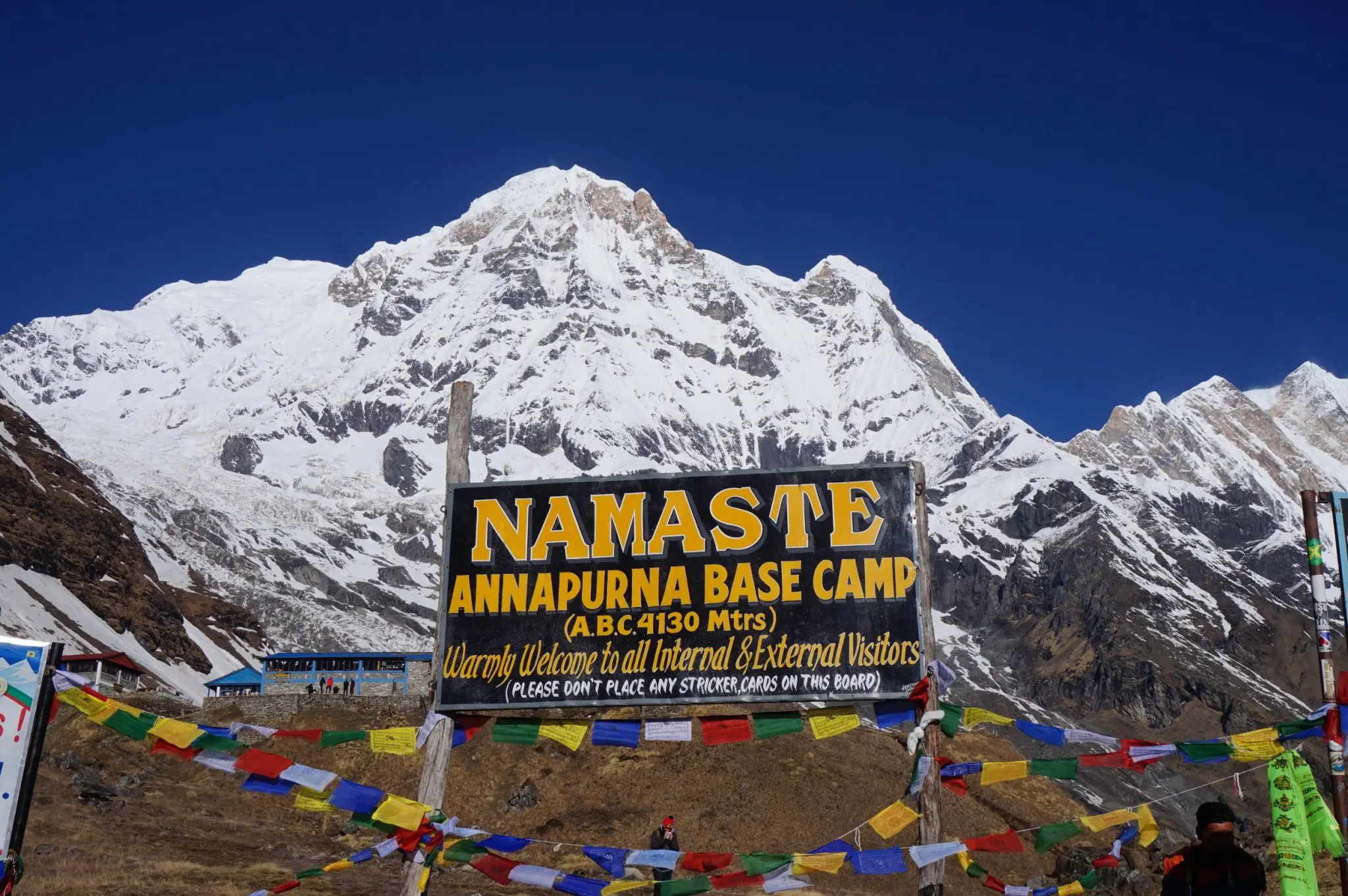
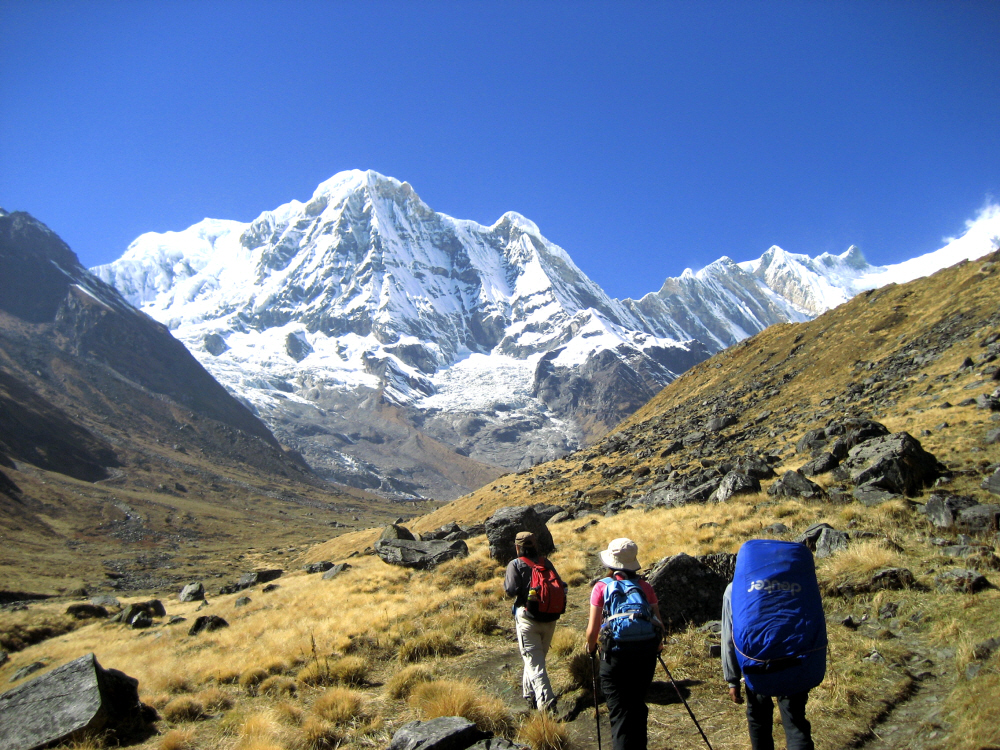
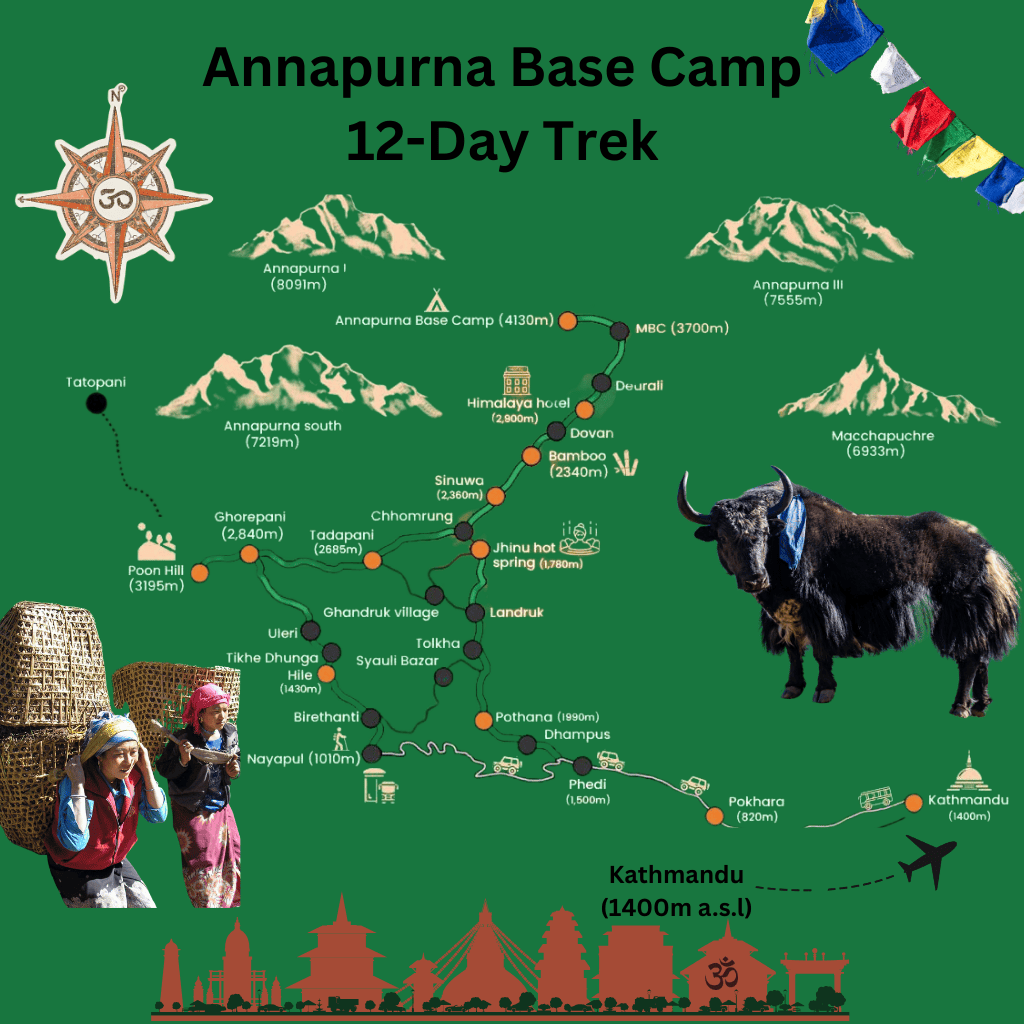
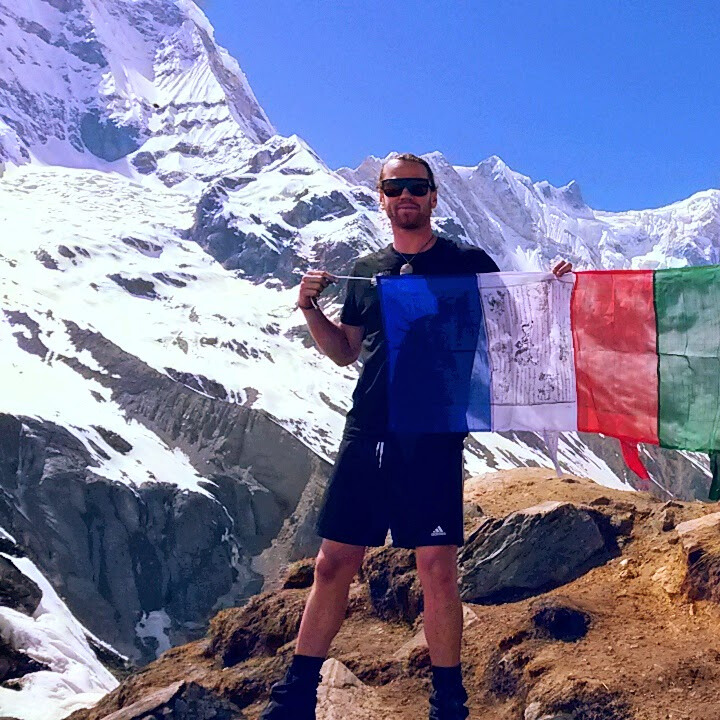
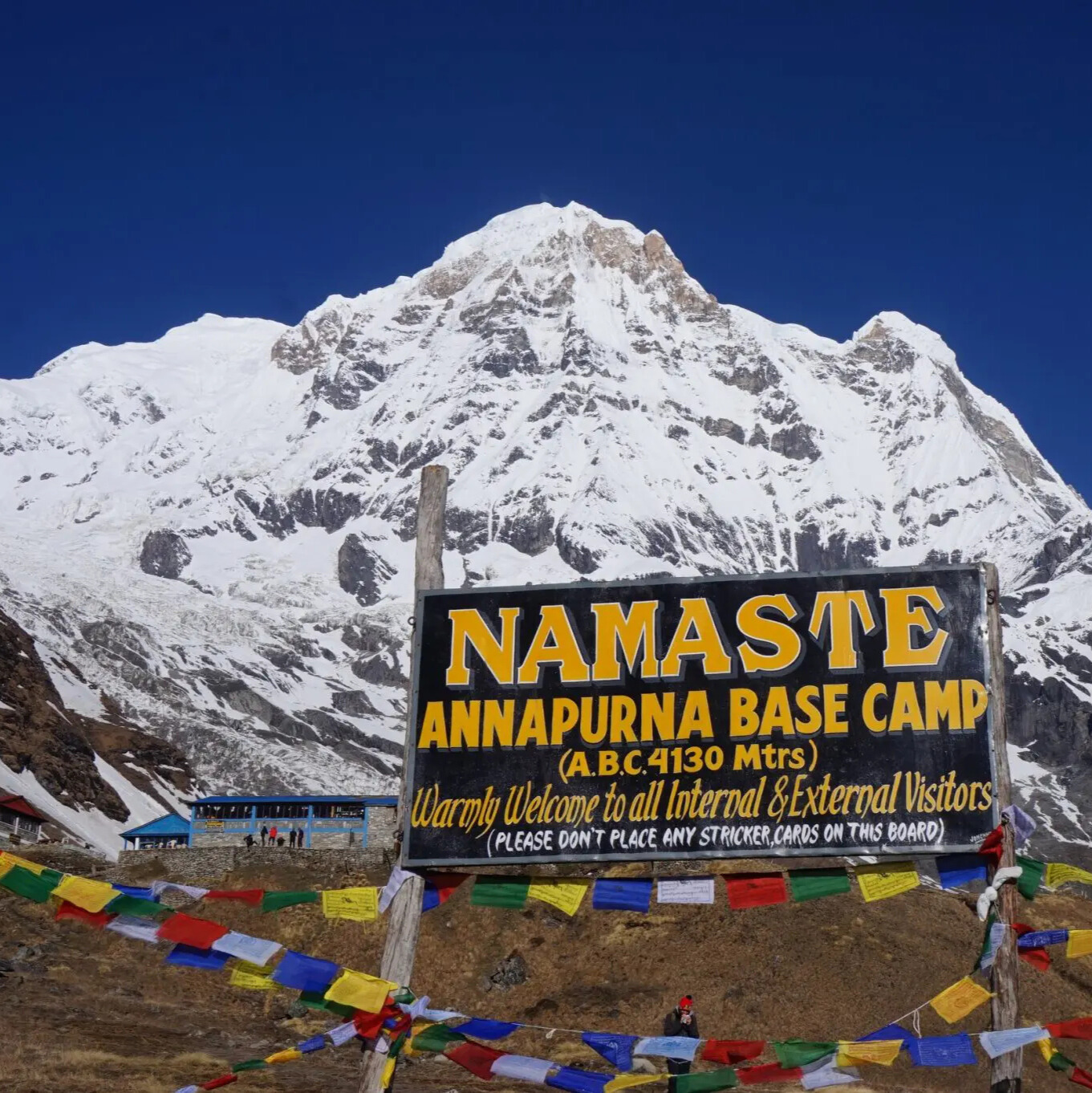
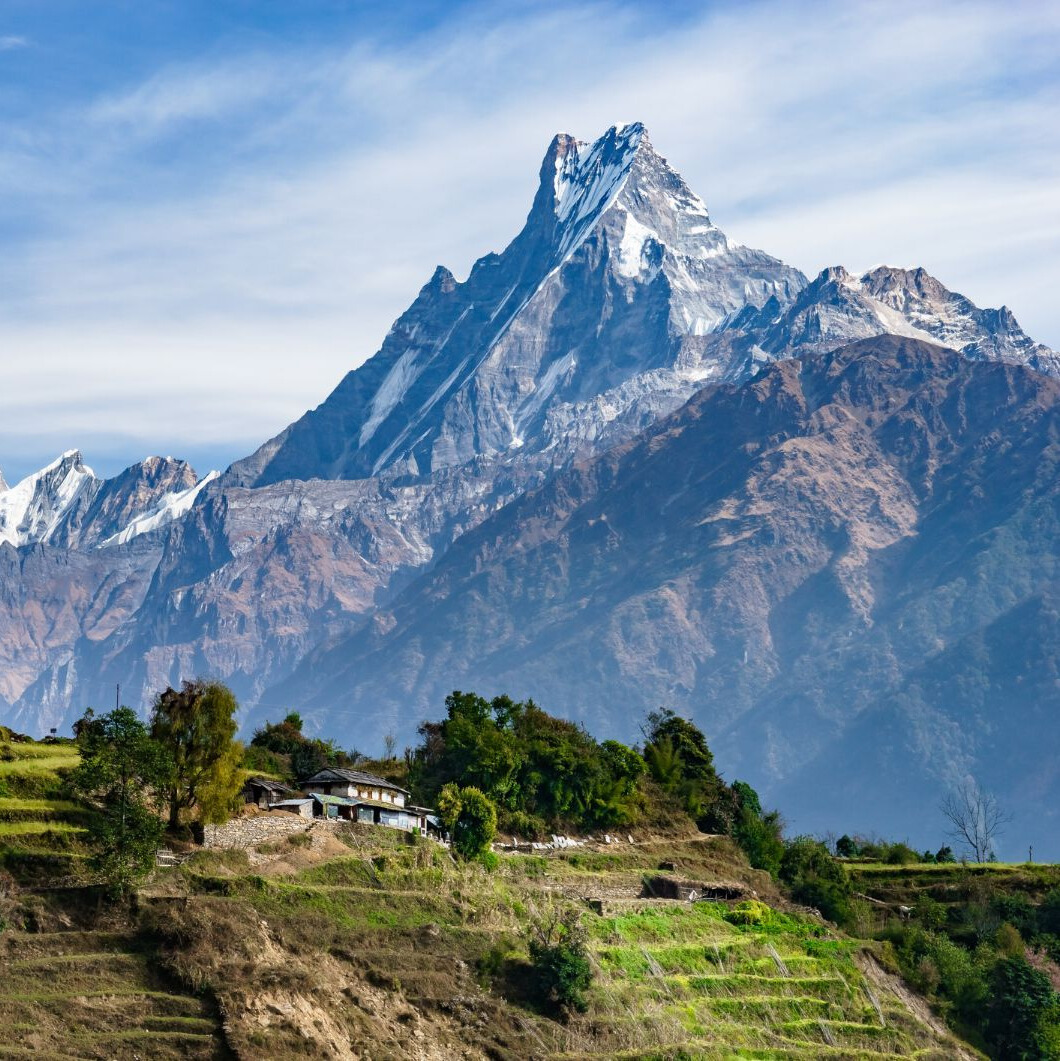
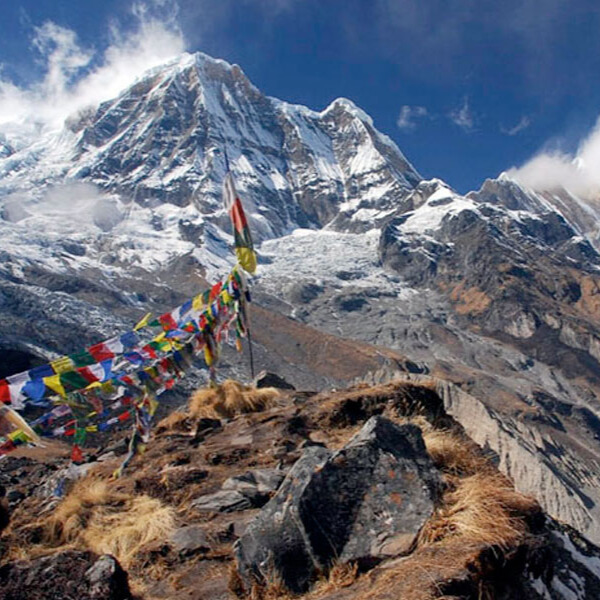
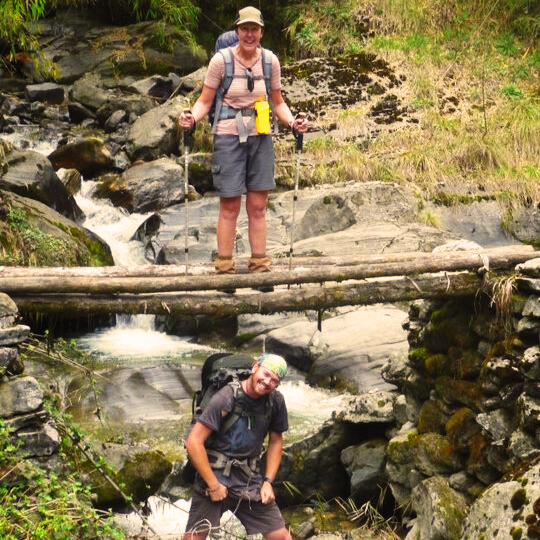
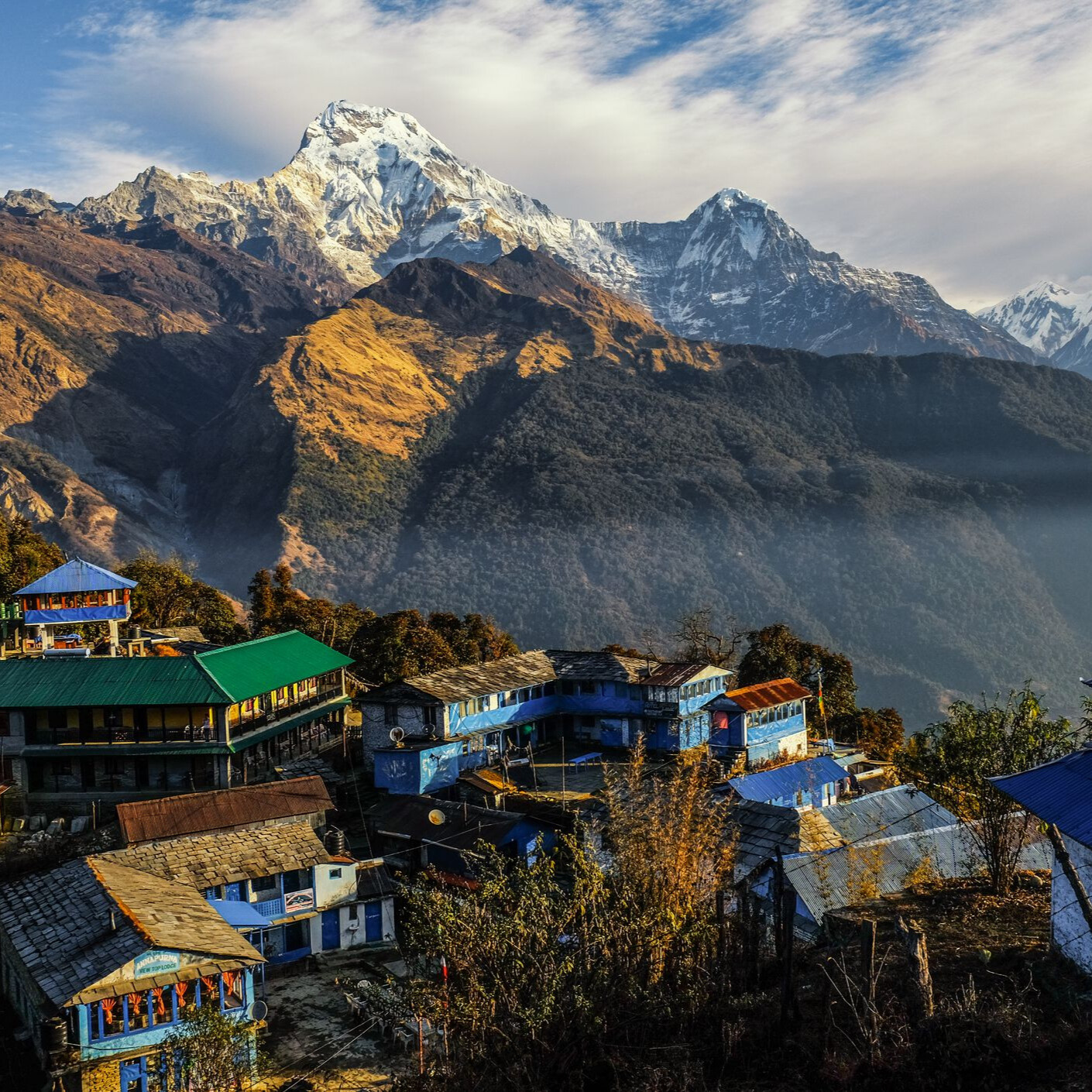
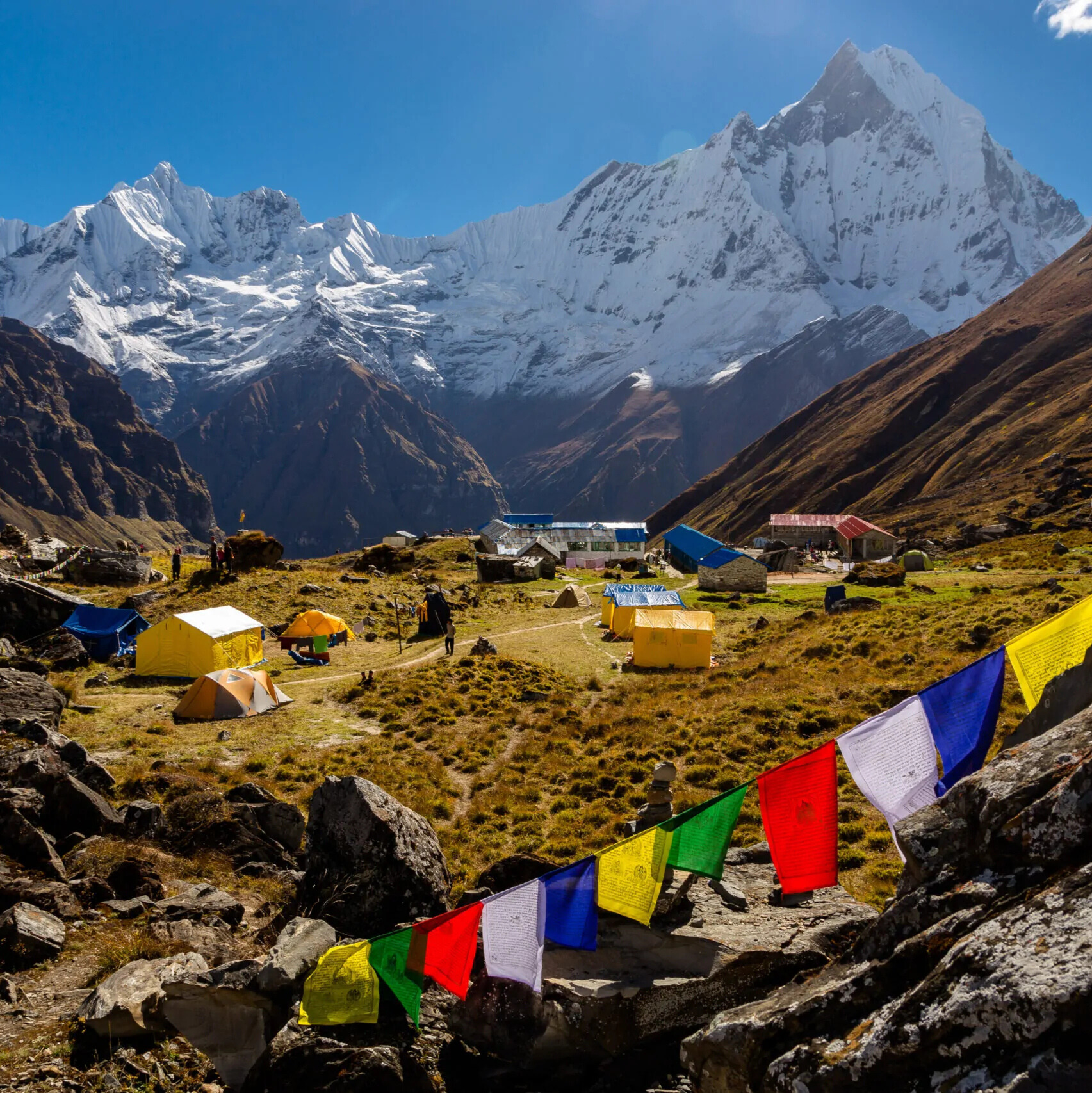
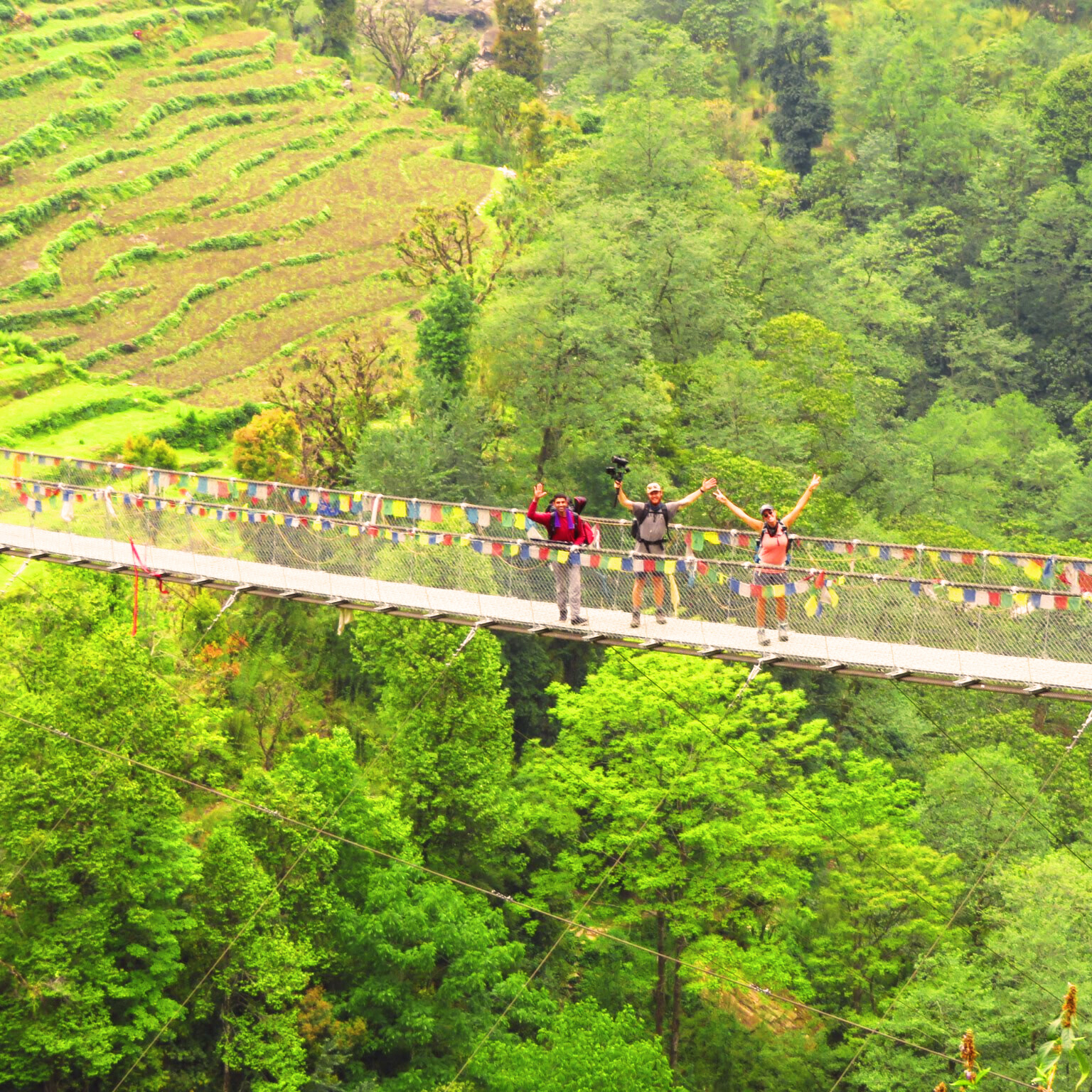
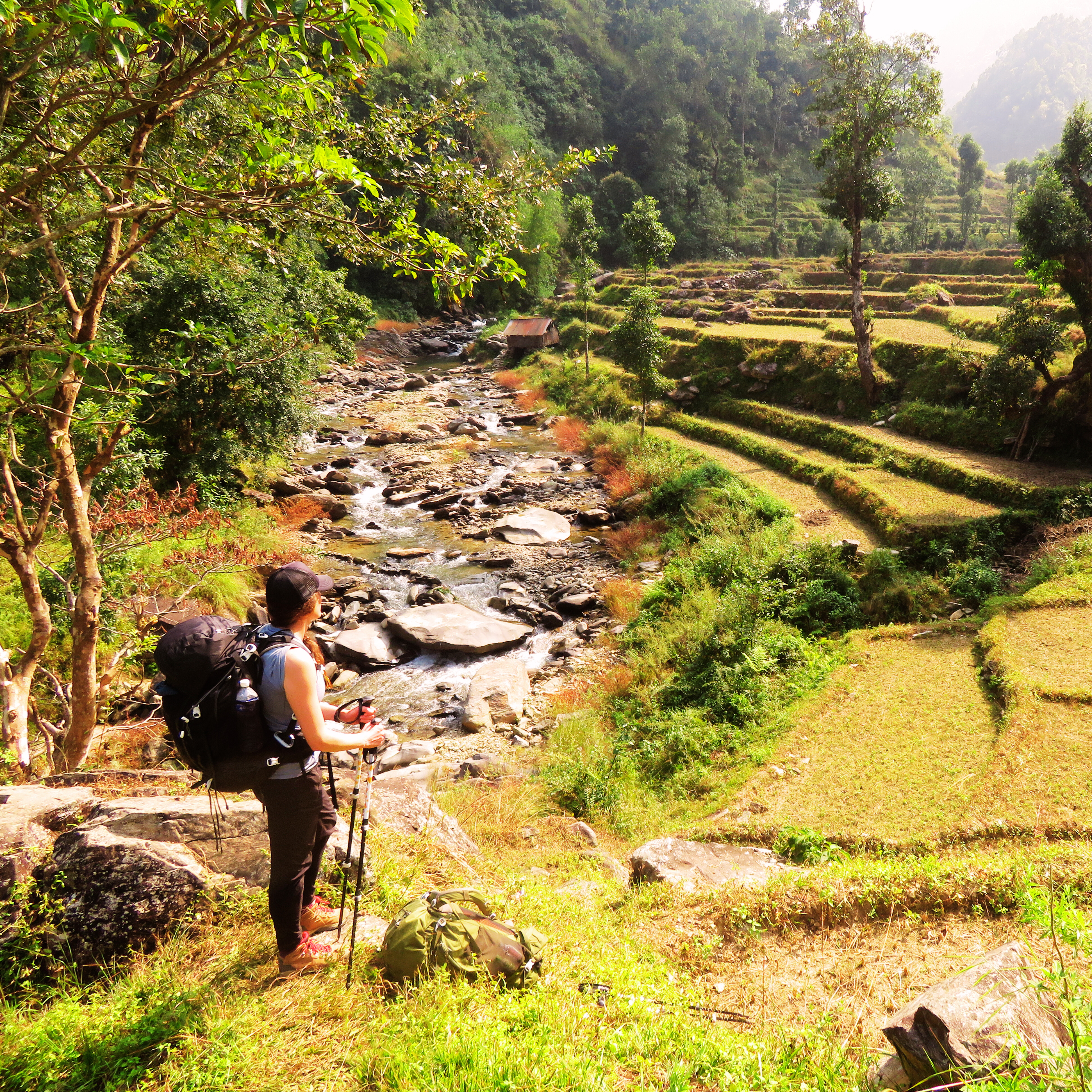
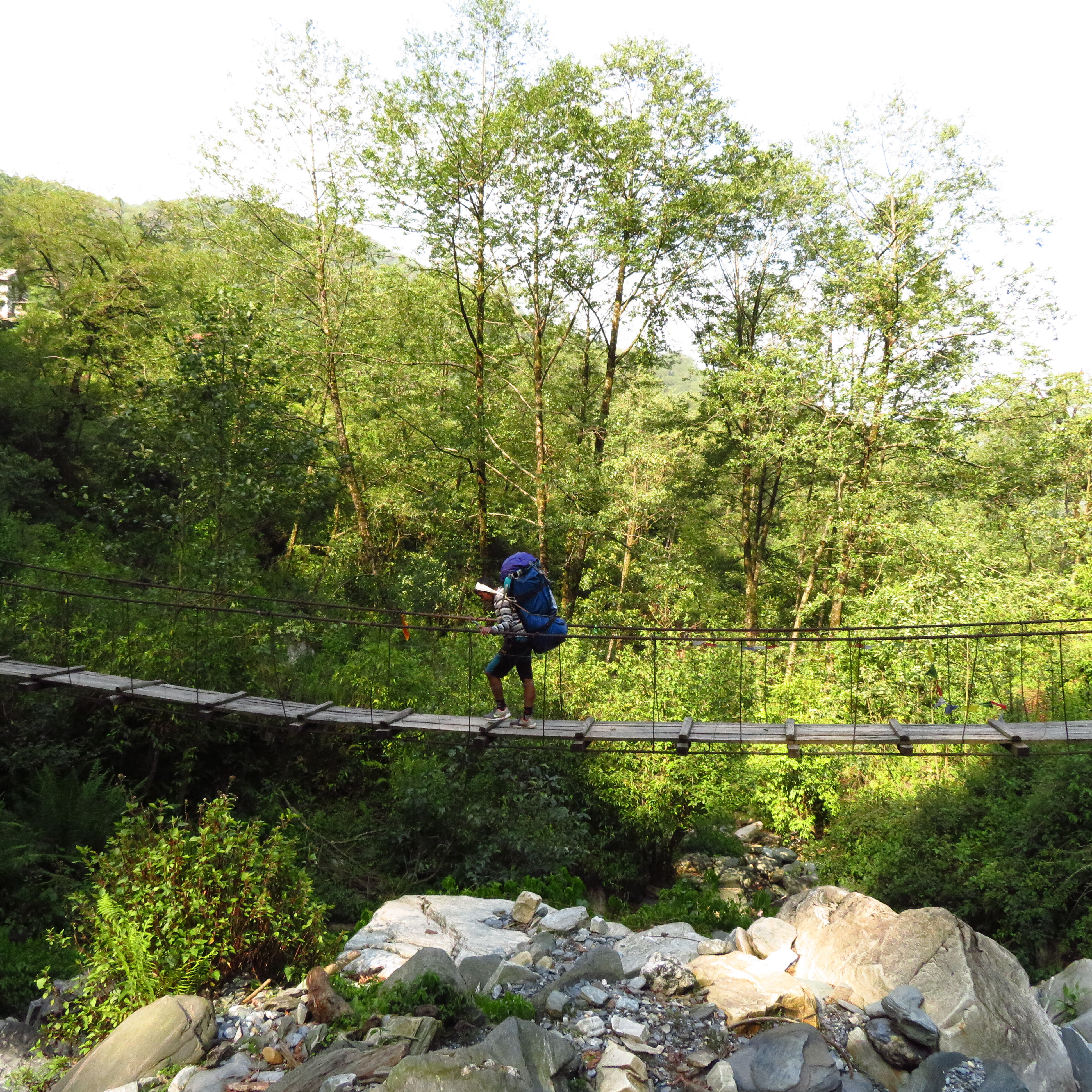
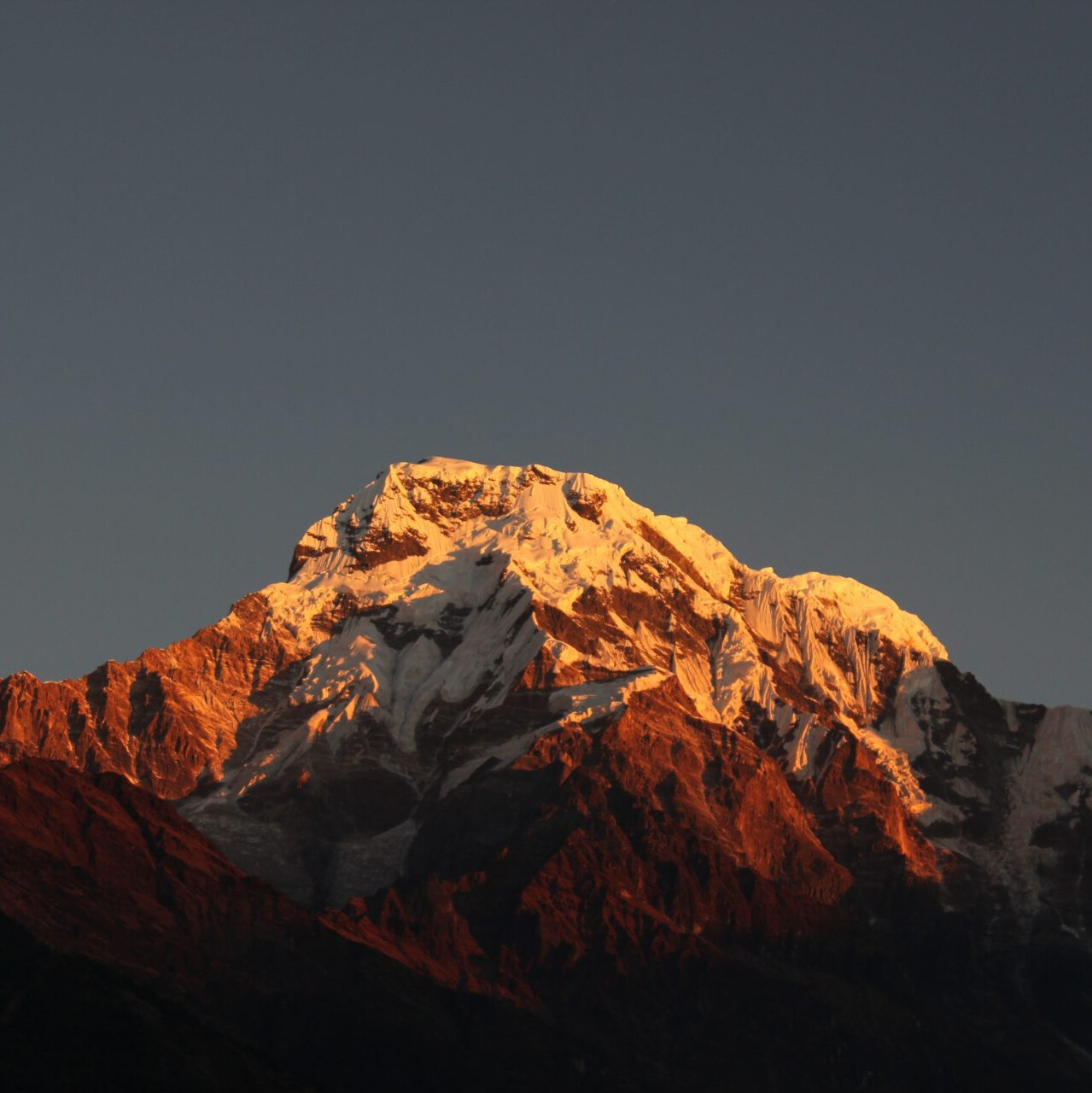
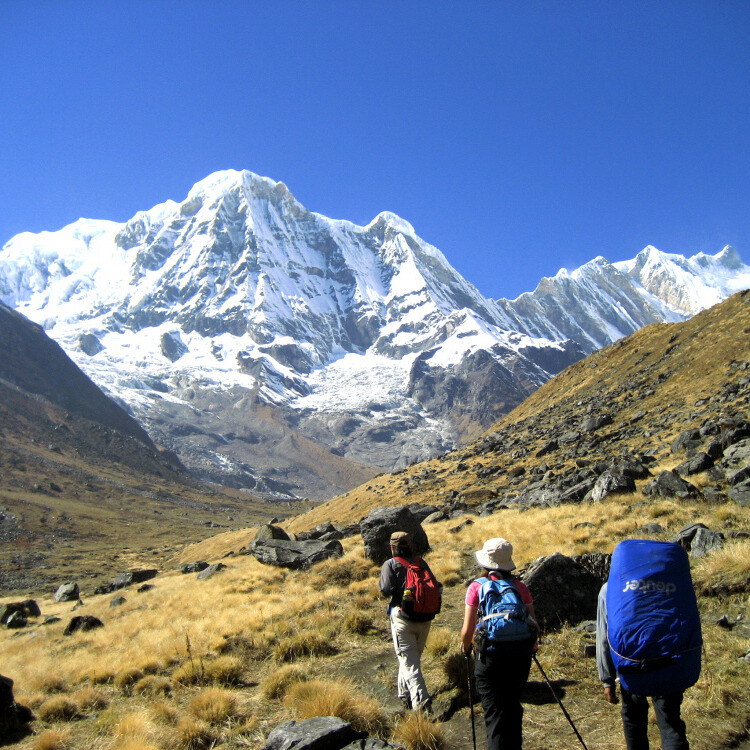
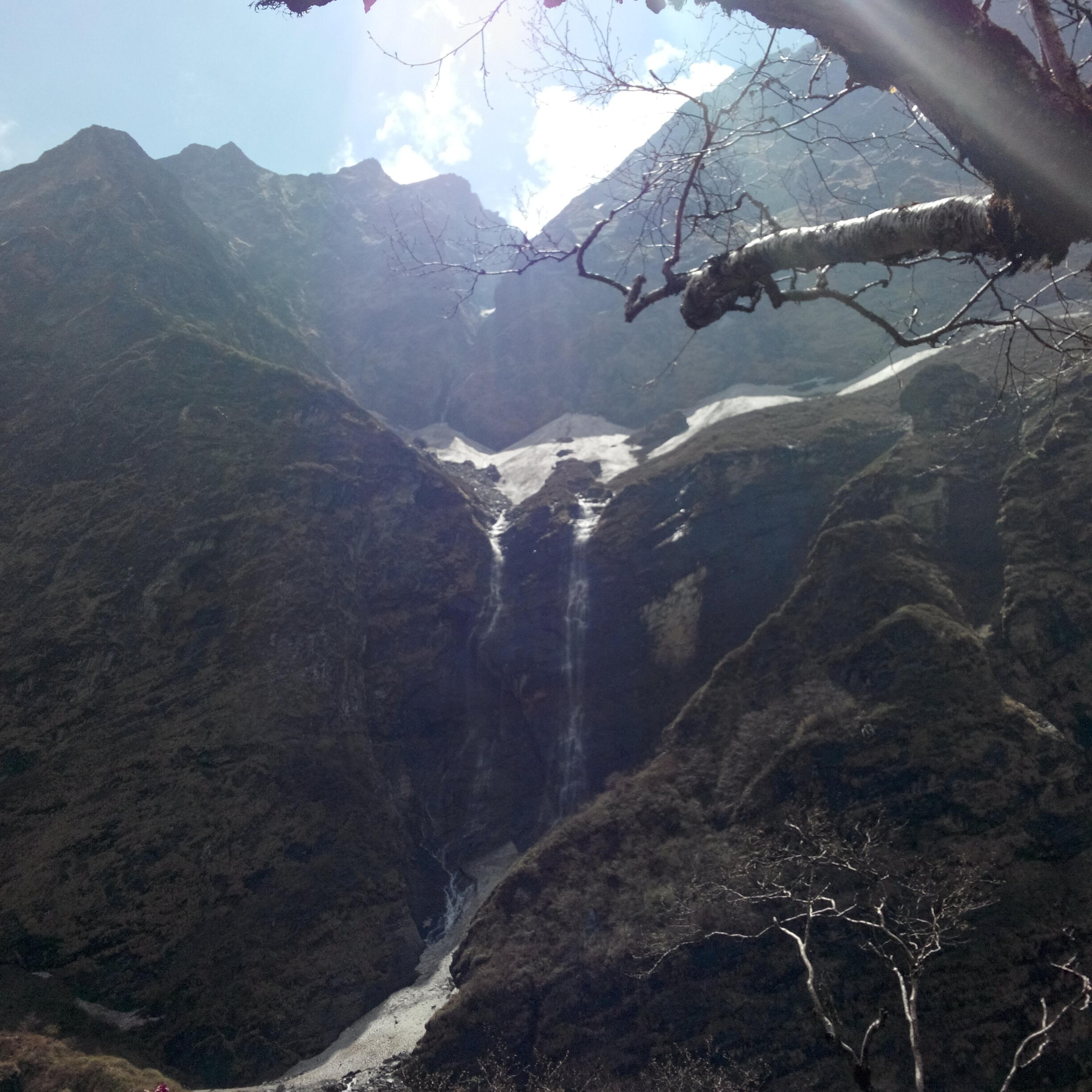
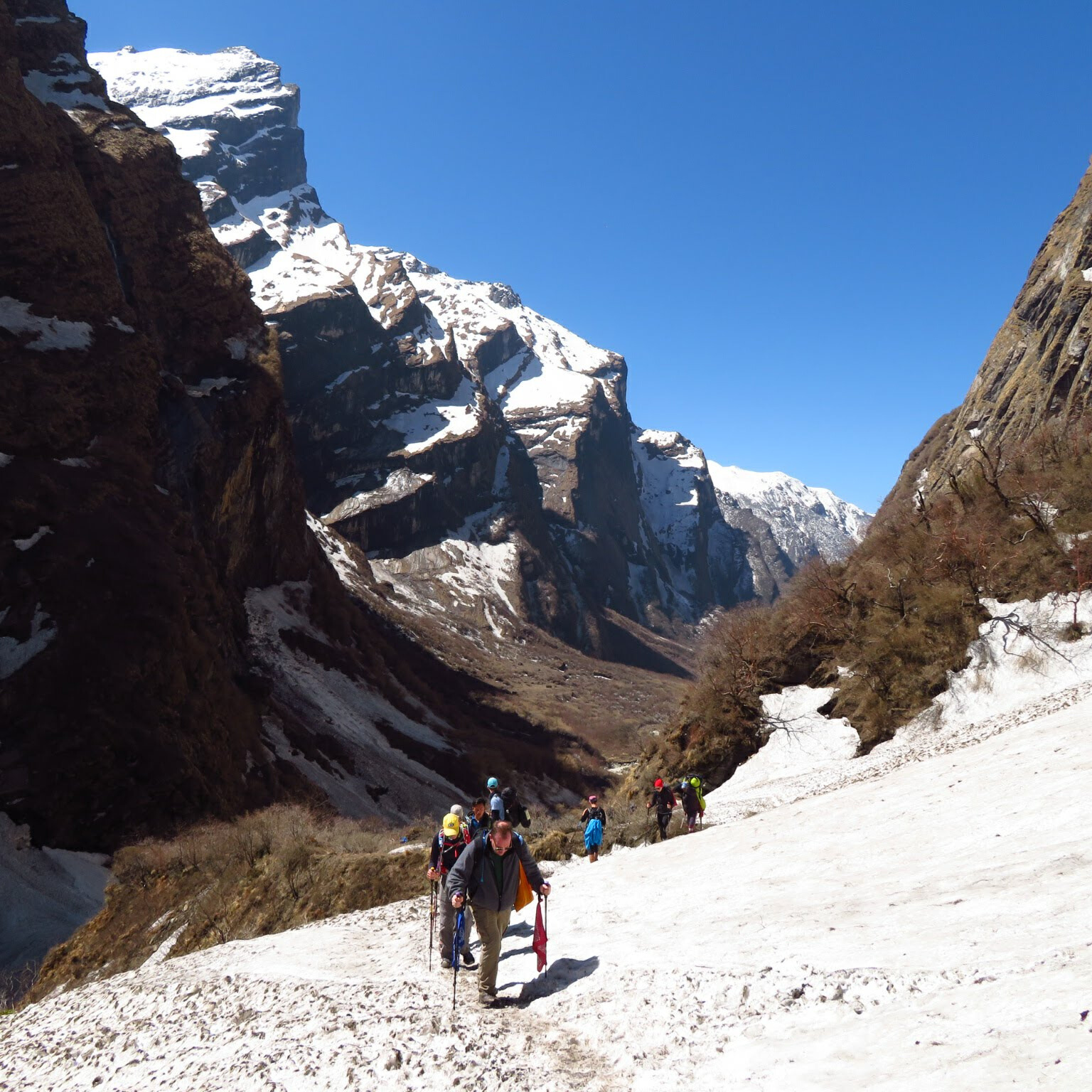
Welcome to Nepal, the land of the Himalayas, where majestic mountains, rich culture, and warm hospitality await. This journey takes you on the Annapurna Sanctuary Trek, one of the most iconic Himalayan treks, offering a perfect mix of adventure, cultural experiences, and breathtaking natural landscapes.
► Introducing Nepal: The Land of the Himalayas
Home to eight of the world’s fourteen highest peaks, including Mount Everest and Annapurna, Nepal is a land of towering mountains, ancient culture, and warm hospitality. A trekker’s paradise and a spiritual sanctuary, Nepal blends breathtaking natural beauty with deeply rooted Buddhist and Hindu traditions.
Nepal is best known for:
- The Annapurna Sanctuary Trek, one of the world’s most scenic multi-day hikes
- Trekking to Everest Base Camp, the gateway to the world’s highest peak
- The Mardi Himal Trek, a quieter, less-traveled route offering alpine meadows, terraced villages, and immersive cultural experiences.
- The colourful chaos and sacred temples of Kathmandu Valley
- The tranquil lakes and laid-back charm of Pokhara
- Jungle safaris and rhino sightings in Chitwan National Park
- Spiritual retreats and yoga escapes in the Himalayan foothills
- Monasteries, prayer flags, and ancient mountain cultures
- Friendly locals, timeless traditions, and unforgettable mountain views
In our opinion, Nepal is the spiritual and adventure heart of Asia, where every sunrise over the Himalayas feels like a blessing, and every trek is a journey of the soul. This journey takes you on the Annapurna Base Camp Trek, one of Nepal’s most spectacular adventures. Combining the best of the Everest region with crystal-blue lakes, dramatic mountain passes, and iconic views, this trek offers the ultimate blend of challenge, culture, and breathtaking beauty.
► About Trekking in Nepal
With hundreds of miles of world-class trails, Nepal is home to some of the most spectacular trekking routes on Earth. From the iconic Everest Base Camp and Annapurna Sanctuary Treks, to off-the-beaten-path adventures in Mardi Himal Trek, Langtang or Mustang, there’s a trail for every fitness level and interest.
Treks range from easy cultural walks through hillside villages to high-altitude expeditions reaching 5,000m and above. Along the way, you’ll stay in cosy teahouses, meet local families, and enjoy warm Nepali hospitality. A cup of sweet masala tea is never far away.
Nepal’s trekking regions are well supported, safe, and guided by experienced locals who bring every mountain to life with stories, legends, and laughter.
► What is the Best Time to Trek in Nepal?
The best time to visit Nepal for trekking is March to May and October to December, when skies are clear, views are at their best, and temperatures are comfortable.
- March to May (Spring)
- Lush rhododendron forests in full bloom
- Warmer temperatures in the lowlands
- Ideal for photographers and nature lovers
- January to February (Winter)
- Quiet trails and fewer tourists
- Some high passes may close due to snow
- Great time for low-altitude treks and cultural exploration
- June to September (Monsoon)
- Lush landscapes but frequent rain, especially in lower regions
- Fewer trekkers and greener valleys
- Ideal time for Mustang or Dolpo, which lie in rain shadow areas
- Cooler nights but perfect daytime hiking weather
- October to December (Autumn)
- Crisp, clear skies and spectacular mountain views
- Peak trekking season with vibrant energy on the trails
► What Do I Need to Know About Travelling to Nepal?
- Visa Requirements
- Most nationalities can obtain a Visa on Arrival at Tribhuvan International Airport in Kathmandu.
- You’ll need a passport valid for at least six months and a passport photo.
- Tourist visas are available for 15, 30, or 90 days.
- Currency
- The local currency is the Nepalese Rupee (NPR).
- USD is widely accepted in tourist areas, but carry small local notes for everyday use.
- ATMs are available in major towns like Kathmandu and Pokhara.
- Language
- The official language is Nepali, but English is widely spoken in tourist areas.
- Learning a few Nepali greetings (like Namaste) will go a long way!
- Health & Safety
- No Yellow Fever vaccine is required unless you are arriving from an affected country.
- Malaria is rare in mountain regions but present in some lowland areas (like Chitwan).
- Always drink bottled or filtered water.
- Trekking insurance is essential for all high-altitude adventures.
- Electricity
- Nepal uses 230V, 50Hz electricity with Type C, D & M plugs.
- Power cuts are common, a portable power bank is recommended.
- Time Zone
► What you should pair your ANNAPURNA TREK with
After your trek, it’s easy to extend your journey:
- Continue into Bhutan for a spiritual Himalayan experience.
- Visit India for vibrant culture, food, and festivals.
- Fly to Tibet to explore monasteries and high-altitude plateaus.
- Relax by the beaches of Sri Lanka or Thailand before heading home.


 Nepal
 FROM US$4,450/pp